
Hardware
Explore the building blocks of modern embedded systems. Learn about microcontrollers, development boards, sensors, communication modules, power systems, and electronic components through interactive guides and practical examples.
Featured Hardware Cards
1. Microcontrollers
The brains of embedded systems.
- ATmega328P
- ATmega2560
- ESP32
- ESP32-S3
- STM32
- RP2040
Learn → Architecture • GPIO • Timers • Interrupts • Memory
2. Development Boards
Ready-to-use platforms for prototyping.
- Arduino Uno
- Arduino Nano
- ESP32 DevKit
- STM32 Nucleo
- Raspberry Pi Pico
Explore board layouts, pinouts, and use cases.
2.1 Board Pin Definitions & Reference Mapping
Pin function reference table defining UART, SPI, I²C, Digital, and PWM capabilities by pin number for supported development boards (ESP32 / Advayam Core Board).
All demo programs include full pin definition headers and board pin function mappings in their code comments.
3. Communication Modules
Enable devices to exchange data.
- Wi-Fi
- Bluetooth
- LoRa
- CAN Bus
- Ethernet
Understand wired and wireless communication for embedded products.
4. Advayam IDE
A unified development environment for Advayam boards.
- Project setup
- Build workflow
- Board selection
- Device monitor
Designed for learning, prototyping, and deployment.
5. VS Code Extension
Professional embedded development inside VS Code.
- Project templates
- Board manager
- Build and upload
- Documentation access
Useful for students, makers, and product developers.
6. Simulators
Experiment before deploying to real hardware.
- GPIO simulation
- Sensor logic
- Motor control
- Protocol testing
Reduces hardware dependency during early learning.
7. Advayam Boards
Advayam Boards and Advayam Shields
- Motor servo shield
- Plant Sense Control Shield
- Wi-Fi-Ethernet RS Communication Shield
- Advayam ESP32 S3
- Advayam ESP32S3 SK
- Advayam RA4M1 SK
- Advayam RP2354B sk
- Advayam Thejas32 kicad1
- Advayam Thejas32 kicad2
- Starter Kit
Suitable for education, IoT, robotics, and advanced embedded systems.
8. Starter Kits
Beginner-friendly learning bundles.
- LED projects
- Sensors
- Motors
- Displays
- Connectivity examples
Ideal for schools, colleges, and makers.
9. School Learning
Logic building through interactive projects.
- Blink LEDs
- Sensor basics
- Motor control
- Smart traffic light
Built for K-12 learning pathways.
10. Undergraduate
Industry-aligned embedded education.
- GPIO programming
- Communication protocols
- IoT fundamentals
- Robotics
Supports academic projects and practical labs.
11. Professional
Advanced workflows for product teams.
- RTOS firmware
- Testing
- Debugging
- Deployment workflows
Useful for startups, engineers, and industrial developers.
12. Featured Projects
Explore practical builds that bring Advayam boards and shields to life.
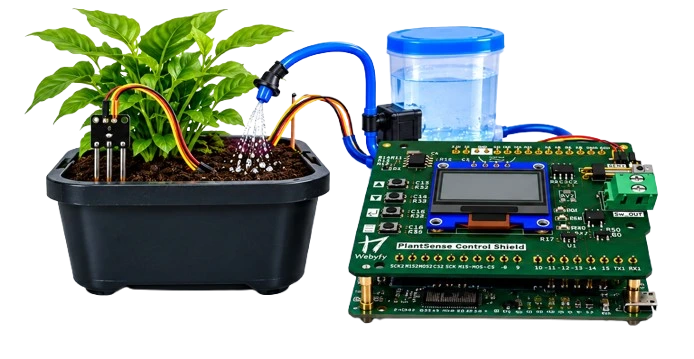
Plant Sense Control Project
An automated plant-monitoring and irrigation system that uses the PlantSense Control Shield board to monitor soil conditions and control watering for healthier plants.
Boards Compatible
13. Arduino C
Beginner-friendly embedded programming.
- setup()
- loop()
- digitalWrite()
- analogRead()
- serial monitor
A familiar starting point for embedded systems.
14. MicroPython
Python-based embedded programming.
- GPIO
- I2C
- SPI
- UART
- rapid prototyping
Useful for fast experimentation and learning.
15. FreeRTOS
Real-time multitasking for embedded systems.
- Tasks
- Queues
- Semaphores
- Timers
- Scheduling
Supports advanced firmware and industrial workflows.
16. Open Source Software Register
This is particularly relevant to Advayam. If your platform uses:
- Linux
- FreeRTOS
- Zephyr
- Rust libraries
- MicroPython
- Arduino libraries
- Open-source drivers
- Open-source AI models
Where applicable, each open-source component should be documented with its name, version, applicable licence, modification status, and relevant distribution or attribution requirements. Advayam reviews the licensing terms of third-party software before incorporating it into products or commercial distributions.